Inventory, Conservation, and Restoration
Inventory, documentation, conservation, and restoration to preserve museum collections.
The Inventory, Conservation, and Restoration Department includes the Inventory Service and the Conservation and Restoration Service. Its tasks include preparing programs and plans to enrich the museum with objects and collections, managing the inventory of museum collections entering the museum, creating museum inventory cards, and supervising preventive and remedial conservation work as well as restoration of objects and collections. The department also develops skills and expertise in inventory, conservation, and restoration through training workshops, study days, and scientific lectures.
Inventory
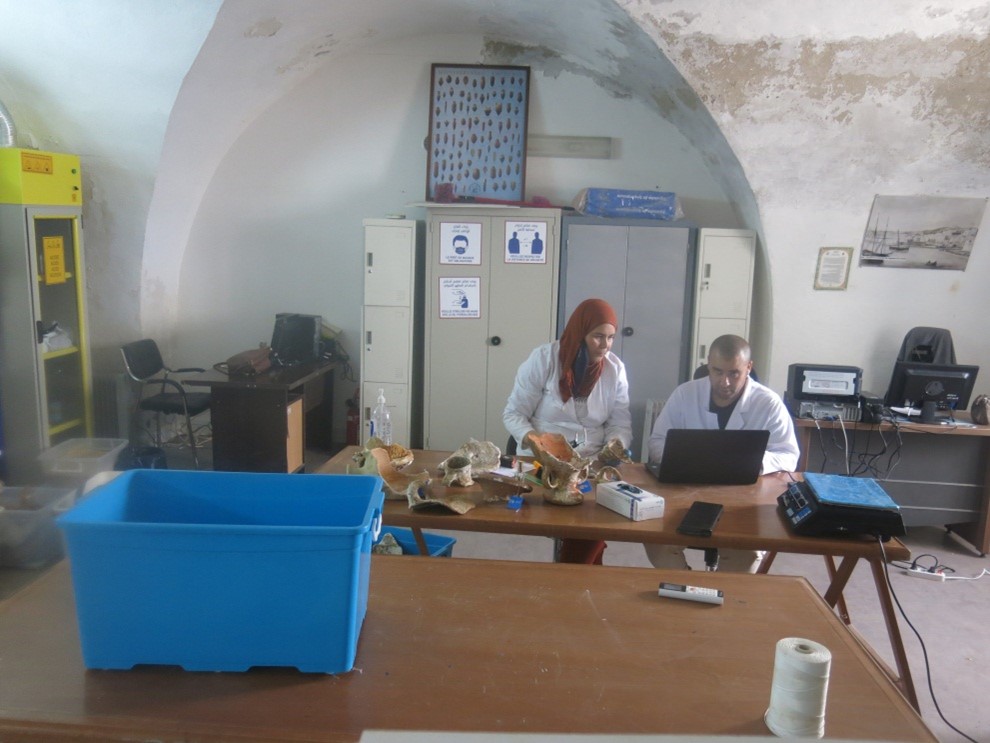
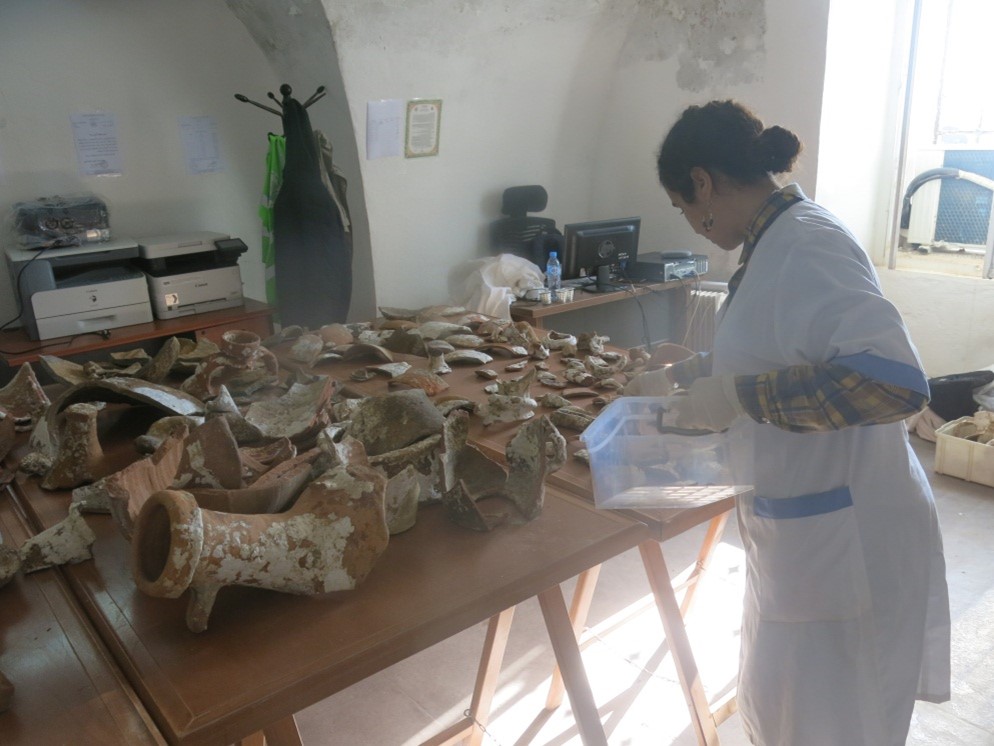
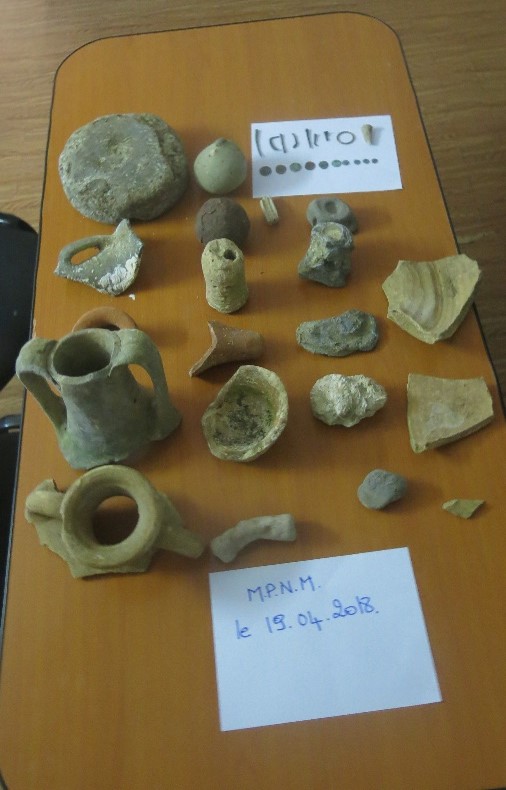
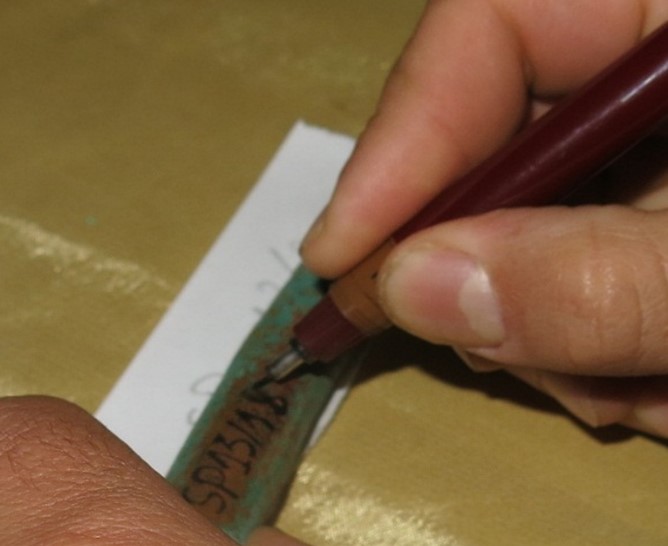
Like other national museums, the National Maritime Museum receives movable cultural objects. As soon as objects and collections arrive, their historical and artistic value is assessed. Sorting, diagnosis, and inspection then take place. Each item is assigned a registration number in the entry register and documented in the inventory register, and inventory cards are prepared for each object. The museum collections are divided into main and sub-groups according to material: ceramics; metals (weapons, coins, navigation instruments); marbles; stones; fossils; organic materials; and wreckage, distributed to curators to monitor their conservation status and inventory.
Conservation and Restoration
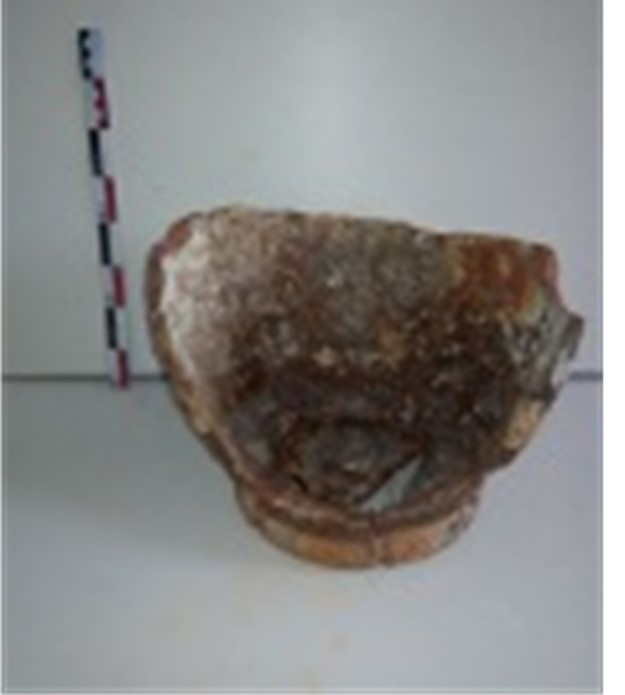
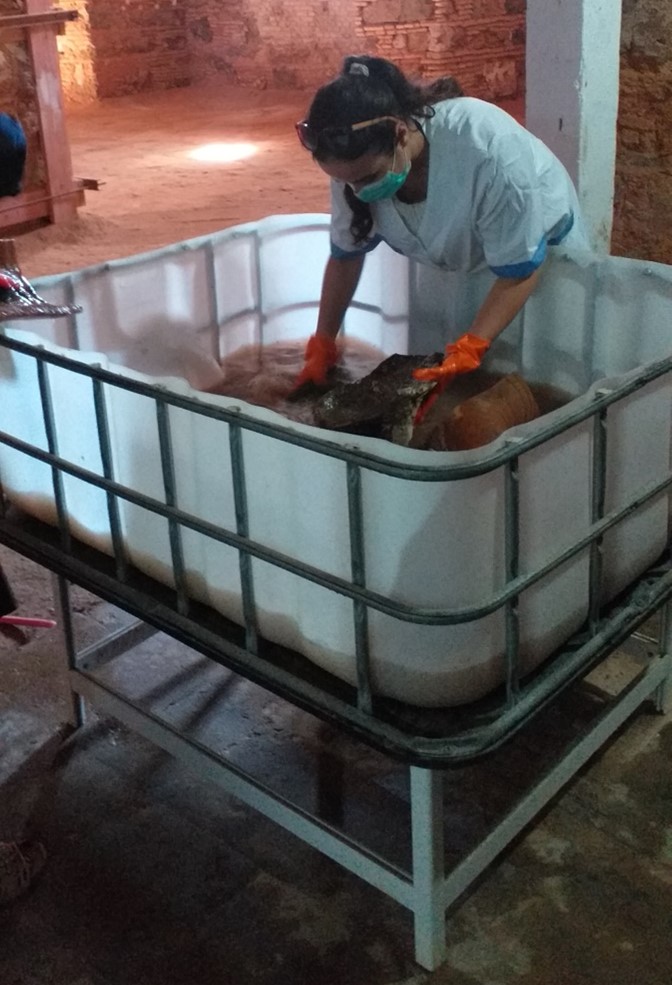
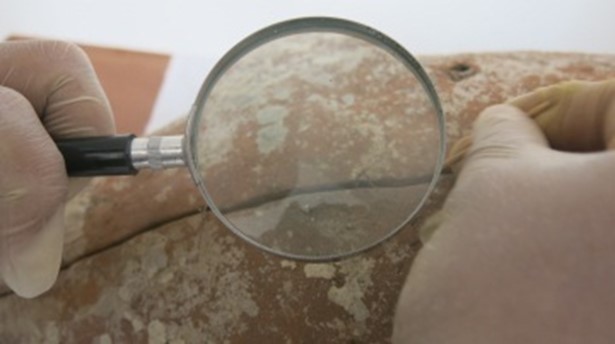
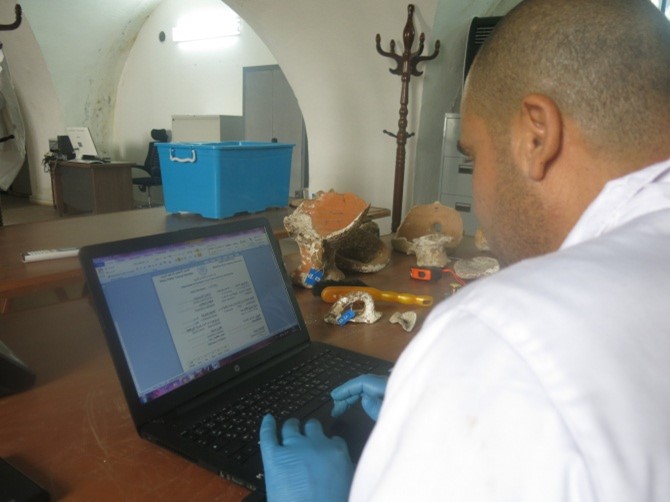
The museum’s primary function is to protect, conserve, and restore movable cultural property. In this context, the National Maritime Museum has a Conservation and Restoration Service that plays a vital role in safeguarding museum collections. It protects archaeological objects from damage and loss by applying scientific methods of conservation and restoration. Its tasks include the initial assessment of each object to determine its condition and conservation needs; preventive conservation measures such as controlling temperature and humidity in the museum; and restoration when an object requires direct intervention, using techniques that restore its original state without addition or distortion. Every step of conservation and restoration is recorded before and after intervention.